"Daniel is very good at his job. Makes you feel as a valued customer. He was very helpful through our nearly 3 month solar panel install project. He was proactive throughout the project always letting us know what to expect in the next step and was quick to respond to our questions. The SunSolar Solutions crew that we dealt with from the installers, their inspector, and Angel, the last tech who came through to finish up the project were all very polite, informative, and professional. Would recommend them when considering solar panels."
⭐ 174 Five-Star Reviews · Serving Los Angeles, San Diego & Riverside
Solar Panels in California — Maximize Savings Under NEM 3.0
California's solar rules changed in 2023. We'll show you exactly how to make solar work — and keep working — in your market.
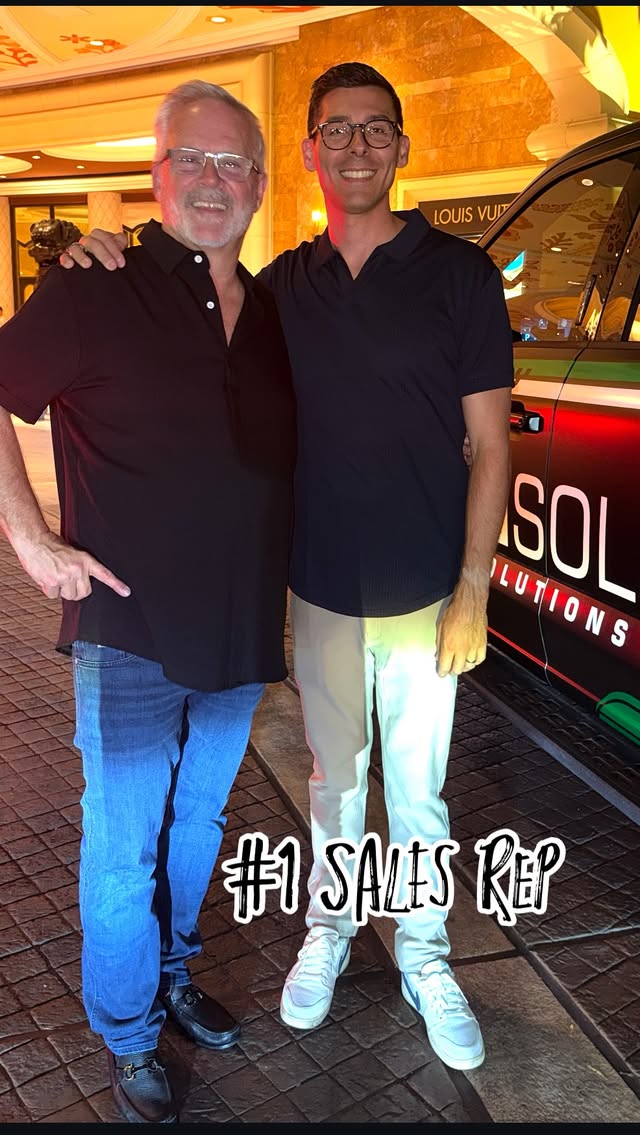
Your Independent Expert
Daniel works for you — not a marketplace.
Top 1% nationally. 174 five-star reviews. Specializes in NEM 3.0 systems sized for self-consumption + battery storage so you keep the savings California changed the rules on.
California Solar Expert — Licensed Agent, Real Results
Daniel Hadobas · 174 Five-Star Google Reviews · Independent Solar Advisor
California solar costs roughly $20,000–$28,000 for a 7–8 kW system before adding a battery (the 30% federal credit ended Dec 31, 2025 for systems you buy; only leased or PPA systems may still capture a federal incentive through 2027). Under <a href="https://www.cpuc.ca.gov/industries-and-topics/electrical-energy/demand-side-management/net-energy-metering" target="_blank" rel="noopener">NEM 3.0</a> (effective April 2023), pairing solar with battery storage is now essential — exporting to the grid only earns $0.06–$0.08/kWh, far less than the $0.28–$0.40+/kWh you pay to buy it back. NEM 3.0 changed the math vs. simpler markets like Nevada — design matters more here.
California remains one of the most compelling solar markets in the country, but the rules changed significantly in April 2023 when the California Public Utilities Commission replaced the old NEM 2.0 program with <a href="https://www.cpuc.ca.gov/industries-and-topics/electrical-energy/demand-side-management/net-energy-metering" target="_blank" rel="noopener">NEM 3.0</a>. Under the old program, homeowners received retail-rate credits for every kilowatt-hour they sent back to the grid — often $0.30 to $0.40 per kWh. Under NEM 3.0, those export credits dropped to roughly $0.06 to $0.08 per kWh, which fundamentally changes how you design a California solar system. The goal today is to consume your solar production in real time and store the excess in a battery — not export it. Done right, California homeowners can still eliminate most or all of their utility bill.
Despite the NEM 3.0 changes, <a href="https://www.eia.gov/state/?sid=CA" target="_blank" rel="noopener">California's electricity rates</a> remain among the highest in the nation. SCE, SDG&E, and LADWP customers regularly pay $0.28 to $0.40+ per kWh — and rates have continued rising every year. That means the electricity you avoid buying is still enormously valuable. A well-designed solar-plus-battery system in Los Angeles, San Diego, or Riverside can still produce meaningful savings against your current utility bill. The 30% federal Investment Tax Credit ended Dec 31, 2025 for systems you buy — only leased or PPA systems may still capture a federal incentive through 2027 — but California also maintains the <a href="https://www.cpuc.ca.gov/industries-and-topics/electrical-energy/demand-side-management/self-generation-incentive-program" target="_blank" rel="noopener">SGIP battery rebate program</a>, which has allocated $280 million specifically for low-income and disadvantaged community households. See the <a href="https://programs.dsireusa.org/system/program/ca" target="_blank" rel="noopener">DSIRE California incentives database</a> for a full list. The market has shifted, not stopped.
What NEM 3.0 Means For You
Under the old NEM 2.0 program (closed to new applicants after April 2023), California solar owners were compensated at the full retail rate — roughly $0.30 to $0.40 per kWh — for every unit of electricity they exported to the grid. It was a generous arrangement that made solar-only systems highly profitable. NEM 3.0 replaced that with "Avoided Cost Calculator" export rates, which currently average $0.06 to $0.08 per kWh. Exporting power to the grid now earns you less than a quarter of what you pay to buy it back. That shift made battery storage not just a nice-to-have, but an essential part of the California solar equation.Here's the good news: solar-plus-battery still makes strong financial sense in California, and in many cases it makes more sense than solar-only did under NEM 2.0. With a properly sized battery, you store your excess daytime production and use it at night — avoiding the expensive peak-rate electricity that utilities charge in the evening hours. The 30% federal ITC ended Dec 31, 2025 for systems you buy (only leased or PPA systems may still qualify, through 2027), but California's SGIP program offers rebates of $200 to $1,000 per kWh of battery capacity for qualifying households, with $280 million earmarked for low-income applicants. If you already have solar under NEM 2.0, you're grandfathered for 20 years from your interconnection date — but if you're going solar today in California, the battery is part of the plan.
California Service Areas
Los Angeles, CA
High electricity rates make LA one of the best solar markets in the country.
View solar guide →San Diego, CA
SDG&E's rates among highest in the US — solar payback is faster here.
View solar guide →Riverside, CA
Riverside's sun exposure and SCE rates make solar a smart investment.
View solar guide → 5.0
174 Verified Google Reviews
"What a great experience with Daniel at Sunder Energy. We were actually going to go with another solar company, but when Daniel showed up, he pitched us his services. He walked us through the different products and which solar company would be installing our equipment. Daniel was with us every step of the way. Even when we had some issues with the installation of the equipment, Daniel made the calls to have the technicians come back and fix everything. Even when he was out of country, Daniel always returned our calls and text messages in a timely manner. Truly responsive! A few days after the installation, he even stopped by and had us load solar apps on our devices and walked us through what to expect. Although we were nervous in the beginning, Daniel made the whole experience worthwhile. Totally awesome customer service! If you're looking into solar, look no further. Give Daniel a call — you won't regret it!"
"This review is long overdue but I am glad we are finally getting to rave about how amazing our experience with Daniel and Sunsolar has been. I was EXTREMELY skeptical about the whole solar idea since my husband and I had such a horrible interaction with another solar company. A few weeks later Daniel knocked on our door. He politely asked if he could return the next day with a more in-depth proposal and if we were still not interested, he would 'kick rocks'. The following day he showed up on time, fully explained every detail, and even I, the self-proclaimed queen of skepticism, couldn't turn down the offer. A HUGE plus is that he didn't try to over-sell us more equipment than we needed. From start to finish the project took less than a month — not at all what we expected. From our interactions with Daniel down to every employee we spoke with, we were 100% impressed. We are now extremely happy solar owners and would highly recommend them to anyone on the fence about solar."
"Daniel at Sunsolar Solutions is great. He is friendly, knowledgeable and helpful. He made sure I understood everything from start to finish. I highly recommend him to anyone looking to go solar."
"Daniel was a pleasure to work with from the very first day he came to our house. He thoroughly explained the complete process step by step. He was always available when we had questions."
"We highly recommend Sunsolar Solutions, especially our rep, Daniel Hadobas, who made the whole experience super easy and smooth. Our system is performing great and our bills are down dramatically."
⚠️ 2026 update on the federal tax credit
The 30% federal residential solar tax credit (Section 25D) expired on December 31, 2025 for systems you buy with cash or a loan. Cost and savings figures on this page that assume that credit may be out of date. Two things still apply: Nevada's sales-tax and property-tax exemptions and NV Energy net metering, and systems on a lease or PPA may still qualify for a federal incentive through the end of 2027. For numbers that reflect today's incentives, book a free review and talk to a tax professional about your situation.
California Solar FAQs
Is solar worth it in California with NEM 3.0?
Yes — but the strategy has changed. Under NEM 2.0, a solar-only system made strong financial sense. Under NEM 3.0, the smartest approach is solar plus battery storage, which lets you use your own production instead of exporting it at low rates. California's high electricity rates (often $0.28–$0.40+/kWh) mean the electricity you avoid buying is still extremely valuable. Payback runs roughly 9–13 years now that the 30% federal credit has ended for purchases, though California's SGIP battery rebate still helps offset storage costs.
What California solar incentives are available in 2025?
The 30% federal Investment Tax Credit ended December 31, 2025 for systems you buy — only leased or PPA (third-party-owned) systems may still capture a federal incentive through 2027. California incentives that remain unchanged include: (1) the SGIP battery rebate program with $280M allocated for low-income households, (2) California's property tax exclusion for solar systems (active solar energy system exclusion), and (3) California's sales tax exemption on solar equipment for some systems. Check with Daniel for current SGIP availability in your utility territory.
What is the SGIP battery rebate in California?
The Self-Generation Incentive Program (SGIP) provides rebates for battery storage systems installed in California. Standard rebates run $200–$400 per kWh of capacity. For low-income households and residents in high-risk wildfire areas, the equity budget offers $850–$1,000 per kWh. California has allocated $280 million to the equity tier specifically. A 10 kWh battery could qualify for $2,000–$10,000 in SGIP rebates depending on your situation.
Does the federal solar tax credit apply in California?
Not for systems you buy. The 30% federal Investment Tax Credit ended December 31, 2025 for owned solar and battery systems (cash or loan). Only leased or PPA (third-party-owned) systems may still capture a federal incentive, through the end of 2027. For California homeowners who buy, the value now comes from the SGIP battery rebate, the property tax exclusion, and avoiding the state's high utility rates.
How much does solar cost in California?
California solar costs range from $2.90 to $3.50 per watt before incentives, depending on installer, equipment, and county. A 7–8 kW system runs $20,300–$28,000 — the 30% federal credit ended Dec 31, 2025, so there's no further reduction for a cash or loan purchase. Adding a 10 kWh battery adds $8,000–$12,000 before SGIP rebates. $0 down financing is available — most California homeowners pay less for their solar loan than their current utility bill.
Do I need battery storage with solar panels in California?
Under NEM 3.0, battery storage is strongly recommended for new California solar customers. Without a battery, your excess daytime production is exported to the grid at $0.06–$0.08/kWh — but you pay $0.28–$0.40/kWh to buy it back at night. A battery lets you store that excess and use it during evening peak hours, dramatically improving your system's financial performance. The federal ITC ended Dec 31, 2025 for owned systems, but California's SGIP rebates still apply to battery storage, reducing the added cost significantly.
Get California Solar Done Right
NEM 3.0 changed the game. We'll show you exactly what works in your market.
Get My California Solar QuoteOther Service Areas
Daniel works with homeowners across Nevada and Southern California. Pick your city for local incentives, utility rules, and pricing.
Las Vegas, NV
$0 down · NV Energy net metering
Henderson, NV
ZIPs 89002 · 89014 · 89052 · 89074
Summerlin, NV
HOA-approved installs (NRS 278.0208)
Green Valley, NV
Henderson · Green Valley Ranch
North Las Vegas, NV
Higher heat = stronger output
Los Angeles, CA
LADWP · SCE service area
San Diego, CA
SDG&E · fastest CA payback
Riverside, CA
SCE · Inland Empire